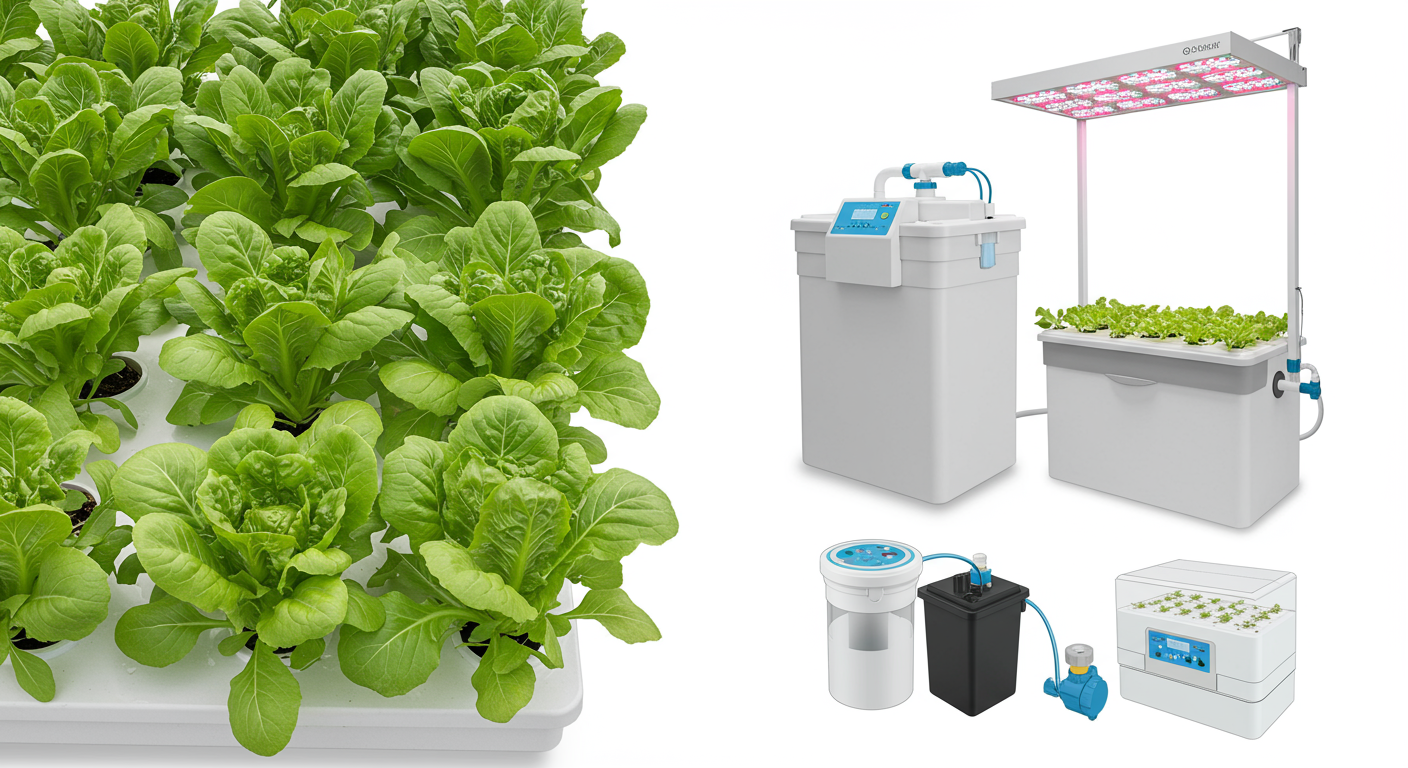
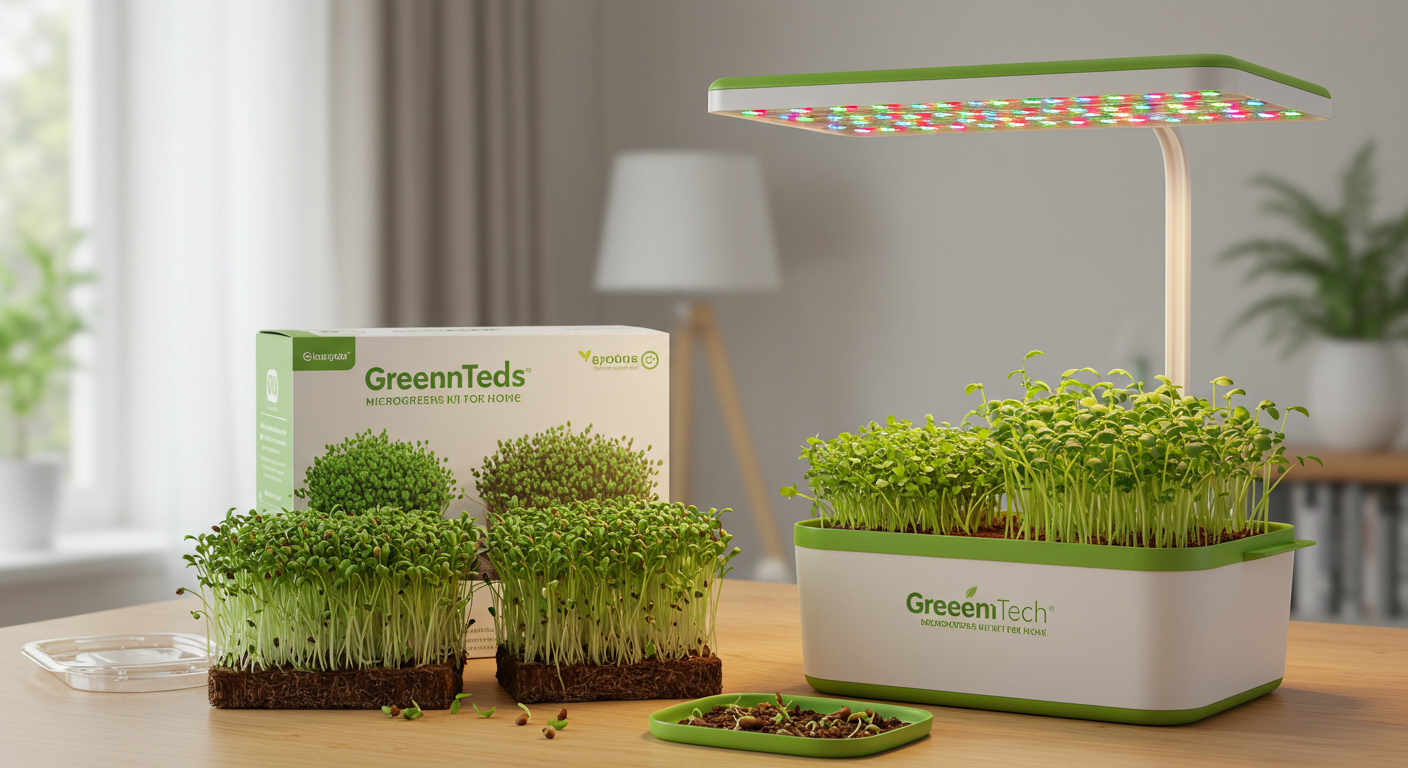
What’s the Best Hydroponic System for Leafy Greens? (Guide)
Growing your own fresh, crisp leafy greens hydroponically offers numerous advantages, from faster growth to significant water savings. But with a variety of systems available, choosing the best hydroponic system for leafy greens can seem daunting. This comprehensive guide will break down the most popular options, helping you make an informed decision based on your specific needs, budget, and experience level.
Why Hydroponics for Leafy Greens?
Leafy greens, such as lettuce, spinach, kale, and various herbs, are particularly well-suited for hydroponic cultivation. Here’s why:
- Faster Growth: Plants receive nutrients directly, leading to quicker maturation.
- Water Efficiency: Hydroponic systems use up to 90% less water than traditional soil gardening.
- No Soil, Fewer Pests: Eliminates soil-borne diseases and many common pests.
- Space Efficiency: Ideal for indoor growing, urban environments, and vertical farming setups.
- Year-Round Harvests: Grow fresh produce regardless of outdoor weather conditions.
- Consistent Quality: Controlled environments often lead to more uniform and higher-quality crops.
Key Factors When Choosing a Hydroponic System for Leafy Greens
Before diving into specific systems, consider these crucial factors:
- Budget: Initial setup costs can vary significantly.
- Space Available: Are you growing indoors, outdoors, or vertically?
- Ease of Use: Some systems require more maintenance or technical expertise.
- Scalability: Do you plan to expand your operation in the future?
- Water and Power Availability: Most systems require pumps and aeration.
- Preferred Growing Medium: Rockwool, coco coir, net pots, or no medium.
Top Hydroponic Systems for Leafy Greens
Get high-performance hydroponic systems Bangalore from GreentechHydroFarming for commercial and home farming success. Let’s explore the contenders for the best hydroponic system for leafy greens:
1. Nutrient Film Technique (NFT)
How it Works: Plants are placed in channels, and a thin film of nutrient-rich water flows constantly over their roots, providing both hydration and oxygen. The water is collected and recirculated.
Pros:
- Excellent for leafy greens due to constant nutrient access.
- High oxygenation of roots.
- Efficient use of water and nutrients.
- Relatively easy to manage once set up.
- Often used in commercial vertical farms.
Cons:
- Requires constant pump operation (vulnerable to power outages).
- Roots can dry out quickly if the pump fails.
- Root mats can clog channels if plants grow too large.
- Initial setup can be moderately complex.
Best For: Those looking for a highly efficient, scalable system for continuous harvesting of lettuce, spinach, and herbs. It’s often considered a strong candidate for the best hydroponic system for leafy greens in many commercial settings.
2. Deep Water Culture (DWC)
How it Works: Plants are suspended in net pots with their roots submerged in a reservoir of nutrient solution. An air pump and air stone provide constant oxygenation to prevent root rot.
Pros:
- Extremely simple to set up and operate, making it ideal for beginners.
- Fast growth rates due to constant access to water and nutrients.
- Low initial cost.
- Minimal moving parts (just an air pump).
Cons:
- Nutrient solution temperatures can fluctuate, impacting root health.
- Requires regular monitoring of pH and EC/TDS levels.
- Can be susceptible to root rot if oxygenation is insufficient or temperatures are too high.
- Not ideal for very large, long-term plants.
Best For: Beginners, small-scale home growers, and anyone looking for a straightforward, cost-effective way to grow fast-growing leafy greens like various types of lettuce. To learn more about this system, check out our detailed guide on DWC setups.
3. Wick System
How it Works: This is a passive system where a wick draws nutrient solution from a reservoir up into the growing medium surrounding the plant roots.
Pros:
- Simplest and cheapest hydroponic system to set up.
- No pumps, electricity, or moving parts required.
- Very low maintenance.
- Good for small-scale, educational projects.
Cons:
- Less efficient nutrient delivery; growth rates are slower.
- Growing medium can become saturated, leading to poor oxygenation.
- Only suitable for small, non-fussy plants with low water requirements.
- Nutrient buildup in the medium can be an issue.
Best For: Absolute beginners, children’s projects, or experimental small-scale growing where simplicity and low cost are paramount over maximum yield and speed. It’s not typically the best hydroponic system for leafy greens if you’re aiming for commercial efficiency or high yields.
4. Ebb and Flow (Flood and Drain)
How it Works: The growing tray is periodically flooded with nutrient solution, then allowed to drain back into the reservoir. This cycle provides roots with nutrients and then oxygen.
Pros:
- Excellent oxygenation for roots.
- Can support a wide variety of plants, including leafy greens.
- Relatively simple to operate with a timer.
- Scalable for larger operations.
Cons:
- Requires a reliable timer and pump.
- Root systems can dry out if the pump fails or timer malfunctions.
- Potential for algae growth in the grow tray.
- Growing medium needs to be inert and well-draining.
Best For: Growers who want a versatile system that offers good aeration and can be scaled up. It’s a solid choice for a variety of leafy greens and even larger plants.
5. Aeroponics (Advanced)
How it Works: Plant roots are suspended in the air within an enclosed chamber and misted with nutrient solution at regular intervals. This provides maximum oxygenation.
Pros:
- Fastest growth rates among all hydroponic systems.
- Extremely efficient use of water and nutrients.
- Highest yields in many cases.
Cons:
- High initial cost and complexity.
- Requires precise nutrient solution delivery and fine mist nozzles.
- Highly vulnerable to power outages; roots can dry out very quickly.
- Maintenance of nozzles can be challenging.
- Not for beginners.
Best For: Experienced growers and commercial operations aiming for the absolute fastest growth and highest yields from leafy greens and other crops, where precision and technology are priorities.
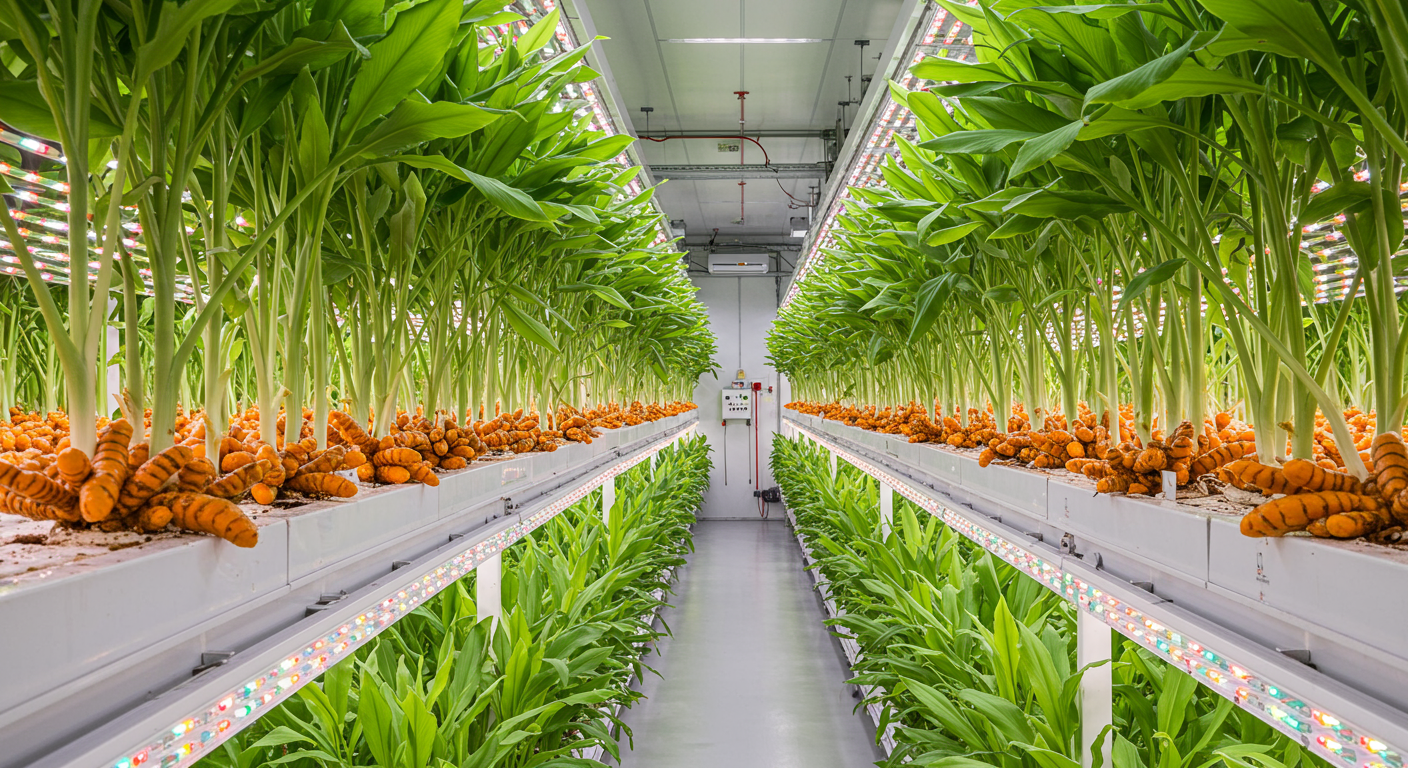
6. Vertical Hydroponics
How it Works: While not a system type itself, vertical hydroponics is an application that can utilize NFT, DWC, or aeroponics in a vertical stack to maximize space efficiency.
Best For: Urban growers, indoor setups with limited floor space, and anyone looking to maximize yield per square foot. Often combined with NFT or DWC for leafy greens.
Making Your Choice: Which System is Right for You?
The “best” system truly depends on your specific circumstances:
- For Beginners & Budget-Conscious: DWC or a simple Wick System are excellent starting points. DWC offers superior growth for minimal effort.
- For Efficiency & Scalability (Home/Small Commercial): NFT and Ebb and Flow are highly recommended. NFT is often preferred for leafy greens specifically due to its consistent nutrient delivery.
- For Maximum Yield & Advanced Growers: Aeroponics delivers unparalleled growth, but demands significant investment and expertise.
- For Space Saving: Integrate any of the above into a Vertical Hydroponics setup.
Consider a modular approach: start small with one system (like DWC), gain experience, and then expand or experiment with other systems as your knowledge and needs grow.
Tips for Success with Leafy Greens Hydroponics
- Monitor pH & EC: Leafy greens generally prefer a pH of 5.5-6.5 and a lower EC/TDS range (0.8-1.5 mS/cm or 400-750 ppm).
- Maintain Water Temperature: Keep your reservoir temperature between 65-72°F (18-22°C) to prevent root rot and algae growth.
- Provide Adequate Light: Leafy greens need 12-16 hours of light per day. LEDs are highly efficient for this.
- Use Quality Nutrients: Choose hydroponic-specific nutrients formulated for leafy greens.
- Ensure Good Air Circulation: Prevents fungal issues and strengthens plants.
- Regularly Clean Your System: Prevent algae and pathogen buildup by cleaning reservoirs and components between cycles.
Frequently Asked Questions (FAQ)
What leafy greens grow best in hydroponics?
Almost all leafy greens thrive in hydroponic systems. Popular choices include various types of lettuce (butterhead, romaine, loose-leaf), spinach, kale, Swiss chard, arugula, and many herbs like basil, mint, and cilantro. These plants generally have shallow root systems and quick growth cycles, making them ideal for hydroponic cultivation.
Is hydroponic lettuce safe to eat?
Yes, hydroponic lettuce is perfectly safe to eat, often even safer than soil-grown produce because it’s grown in a controlled environment, reducing exposure to soil-borne pathogens and many pesticides. It’s typically cleaner and requires less washing.
How long does it take to grow lettuce hydroponically?
The growth rate for hydroponic lettuce is significantly faster than soil-grown. Depending on the variety and system, you can expect to harvest hydroponic lettuce in as little as 3-4 weeks from seed to maturity, though some varieties might take 5-6 weeks. This rapid growth is a major advantage of using the best hydroponic system for leafy greens.
What nutrients do hydroponic leafy greens need?
Hydroponic leafy greens require a balanced nutrient solution containing essential macro and micronutrients. Commonly, a two-part or three-part hydroponic nutrient formula is used, specifically designed for the vegetative growth phase. These solutions provide nitrogen, phosphorus, potassium, calcium, magnesium, and other trace elements crucial for healthy leaf development.
Expert Opinion
“For new growers focusing solely on leafy greens, the Deep Water Culture (DWC) system offers the best balance of simplicity, cost-effectiveness, and rapid results. Its ease of setup and maintenance, combined with strong growth, makes it a winning choice. For those looking to scale up or achieve higher density per square foot, NFT (Nutrient Film Technique) is undeniably the most efficient and practical system.”
Conclusion
Looking for a hydroponics farm near me? GreentechHydroFarming delivers fresh, pesticide-free produce grown with advanced technology.
Choosing the best hydroponic system for leafy greens ultimately depends on your individual goals, budget, and experience. Whether you’re a curious beginner or an experienced commercial grower, there’s a hydroponic system perfectly suited to help you cultivate abundant, healthy leafy greens. By understanding the advantages and disadvantages of each, and focusing on key factors like nutrient management and environmental control, you’ll be well on your way to a successful hydroponic harvest. Start small, learn your system, and enjoy the bounty of fresh greens!